Updated Long Grass & Nuisance Weeds By-law Now in Effect
The Town of Collingwood has enacted a new Long Grass & Nuisance Weeds By-law, replacing the previous by-law that had been in place for more than 20 years.
The updated by-law introduces a more consistent and modern approach to property maintenance across the Town, with clear, objective standards for grass, ground cover, and nuisance weeds on private property and adjacent boulevards.
These updates are intended to improve clarity for residents and property owners, support public health and safety, and allow for environmentally responsible landscaping, including gardens and naturalized areas.
Residents and property owners are encouraged to review the key requirements below to understand how the by-law applies to their property and their responsibilities for maintaining adjacent boulevards.
What You Need to Know
The following are the key requirements and responsibilities for maintaining your property under the new by-law:
Grass and ground cover on both private property and adjacent boulevards must be maintained to a maximum height of 20 centimetres.
These standards apply seasonally, from June 1 to November 15.
Property owners are generally responsible for maintaining the boulevard area adjacent to their property, subject to certain exemptions under the by-law.
This includes:
Cutting grass and ground cover to the same 20 centimetre height standard
Removing identified nuisance weeds
Ensuring any vegetation does not obstruct sightlines or interfere with the safe and unobstructed movement of vehicles, cyclists, or pedestrians on sidewalks, walkways, or roadways.
Exemptions may apply where maintenance is not reasonably possible due to physical or environmental constraints (e.g., due to steep grades, retaining walls, fencing, drainage features, ditches) or where the Town has assumed responsibility for that boulevard.
The by-law identifies a specific list of nuisance weeds known to pose public health and safety risks in residential and urban areas.These include:
Giant hogweed
Poison hemlock
Wild parsnip
Poison ivy
Ragweed
Property owners are required to destroy and remove these nuisance weeds, including any seeds, on both their property and adjacent boulevards to help prevent their spread and reduce risks to the community.
Gardens and naturalized areas are permitted under the by-law and support environmentally responsible landscaping practices.
To meet the by-law requirements, these areas must:
Be intentionally planted and actively maintained
Be clearly distinguishable from unmanaged vegetation through visible indicators such as defined edges, borders, buffers, mown strips, mulch, stone, fencing, or other visible delineation
Be kept free of nuisance weeds
Be maintained so that vegetation does not obstruct sightlines or interfere with the safe and unobstructed use of sidewalks, walkways, or roadways
The by-law introduces a more streamlined and consistent enforcement approach designed to improve clarity and fairness. Key features include:
A seasonal Order model, which provides clear expectations and reduces the need for repeated notices to property owners
Integration with the Town’s Administrative Monetary Penalty System (AMPS), allowing for more timely and efficient enforcement where required
Where a concern is identified, the Town will typically issue an Order outlining the required corrective actions and timeline before further enforcement steps are taken.
Residents, businesses, and visitors are encouraged to review the full by-law to understand how these changes may affect them:
The Town recognizes that intentionally designed and maintained gardens and naturalized areas provide important environmental and community benefits. These areas can support pollinators and biodiversity, improve soil health, and reduce the need for frequent mowing.
Allowing naturalized landscaping also provides property owners with flexibility in how they design and maintain their properties, while ensuring that safety and maintenance expectations are still met.
Residents who maintain a garden or naturalized area may voluntarily register their property with the Town.
To register your garden or naturalized area, please complete the online registration form. As part of the registration process, you will be asked to provide:
The property’s address
Photos of the garden or naturalized area
Description of the planting area, including the types of plants present
Location of the garden or naturalized area on the property (e.g., front yard, side yard, backyard, boulevard)
Submitted information will be included in the public Garden and Naturalized Area Registry, displayed below. The registry is intended to support community awareness and understanding of naturalized landscaping practices. Information may also be used by the Town as supporting material when assessing whether an area meets the definition of a garden or naturalized area under the by-law.
Please note that registration is voluntary and does not constitute approval, create an exemption from the by-law, or limit the application of its requirements.
There are currently no gardens or naturalized areas registered at this time.
Frequently Asked Questions
Grass and ground cover must be maintained to a maximum height of 20 centimetres from June 1 to November 15 each year.
This threshold provides a clear and measurable standard that supports consistent enforcement. It also reflects practical considerations, as vegetation above this height becomes more difficult to maintain and may contribute to health, safety and nuisance concerns.
Yes. The height standard for grass and ground cover applies from June 1 to November 15, allowing residents to participate in “No Mow May” during early spring. This supports pollinators such as bees by providing early‑season food sources before regular lawn maintenance begins.
Yes. Gardens and naturalized areas are permitted under the by-law, provided they are:
Intentionally planted and actively maintained
Clearly distinguishable from unmanaged vegetation through visible indicators such as defined edges, borders, buffers, mown strips, mulch, stone, fencing, or other visible delineation
Kept free of nuisance weeds
These areas must also be maintained so that vegetation does not obstruct sightlines or interfere with the safe and unobstructed use of sidewalks, walkways, or roadways.
Property owners who maintain a garden or naturalized area may voluntarily register their property with the Town of Collingwood.
As part of the registration process, you will be asked to provide:
The property’s address
Photos of the garden or naturalized area
A brief description of the planting area, including the types of plants present
Location of the garden or naturalized area on the property (e.g., front yard, side yard, backyard, boulevard)
Please note that registration does not constitute approval or create an exemption from the by-law. All properties must still comply with by-law requirements.
No. Registration is voluntary for property owners who maintain a garden or naturalized area.
The by-law identifies a specific list of plants that pose public health or safety risks in residential and urban settings, including:
Giant hogweed
Poison hemlock
Wild parsnip
Poison ivy
Ragweed
These plants are regulated due to their demonstrated health or safety impacts.
Property owners are required to destroy and remove these nuisance weeds, including any seeds, on both their property and adjacent boulevards to help prevent their spread and reduce risks to the community.
A boulevard is the Town‑owned portion of land located between the roadway and a private property that is not used for vehicle travel. It may be located at the front, side, or rear of a property and can include areas with grass, trees, sidewalks, or other landscaping adjacent to the roadway.
Yes. Property owners are generally responsible for maintaining the boulevard adjacent to their property, including keeping grass and ground cover to the same 20 centimetre height standard. Exemptions may apply where maintenance is not reasonably possible due to physical or environmental constraints (e.g., due to steep grades, retaining walls, fencing, drainage features, ditches) or where the Town has assumed responsibility for that boulevard.
This includes basic maintenance such as grass cutting and removing nuisance weeds. Where you are permitted to maintain vegetation on the boulevard, you must also ensure that vegetation does not obstruct sightlines or interfere with the safe and unobstructed use of sidewalks, walkways, or roadways.
However, please note the boulevard is Town-owned property, and you must not prune, injure, or remove any tree, shrub or other woody plant owned by the Town without prior written authorization from the Town.
If a property is found to be non-compliant, the Town may issue an Order outlining the required corrective actions and a timeline for compliance.
If the issue is not resolved, the Town may issue a penalty notice and/or arrange for the work to be completed at the property owner’s expense.
To report a concern or violation, please use one of the following methods:
Online: Submit your request through the Public Portal
In Person: Town Hall (Monday to Friday, 8:30 a.m. to 4:30 p.m.)
No. Invasive Phragmites is not included in the list of nuisance weeds regulated under the Town’s Long Grass and Nuisance Weeds By-law. However, it is classified as a restricted invasive species under Ontario’s Invasive Species Act.
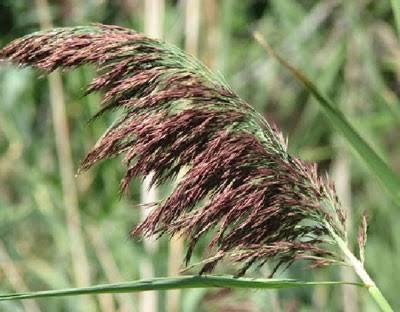
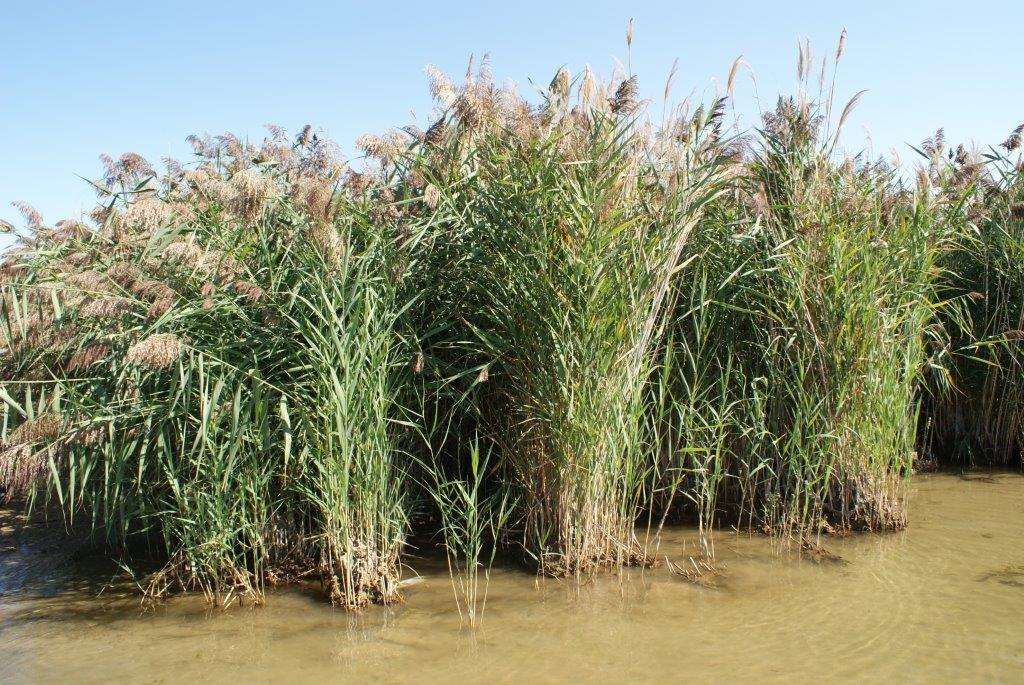
Invasive Phragmites, also known as European Common Reed, is an aggressive invasive plant commonly found in wetlands, along shorelines, and in roadside ditches. It can form dense stands thatcrowd out native plants, reduce biodiversity, and affect wildlife habitat.
Provincial legislation prohibits activities such as planting, propagating, buying, selling, trading, depositing, or releasing invasive Phragmites.
Residents can help prevent the spread of Invasive Phragmites by:
Cleaning footwear, clothing, tools, and equipment after leaving an affected area
Avoiding the movement of seeds, roots, or other plant material to new locations
Not placing invasive Phragmites in backyard compost
Reviewing provincial best management practices before attempting to control or remove it
Suspected sightings can be reported through EDDMapS Ontario or by calling the Invading Species Hotline at 1-800-563-7711.